So you have a boat, and you want to keep it protected for as long as you can. A premium boat lift is the next logical step, but with so many options on the market, how do you make sure that you’re choosing the right one? The good news is that if you already have your boat or know exactly what you’re getting, and you have a pretty good idea of what your priorities are, you’re already most of the way there. Three of the most important criteria to consider when buying a boat lift are the power source, weight capacity, and length and width.
Manual vs. Electric Lifts
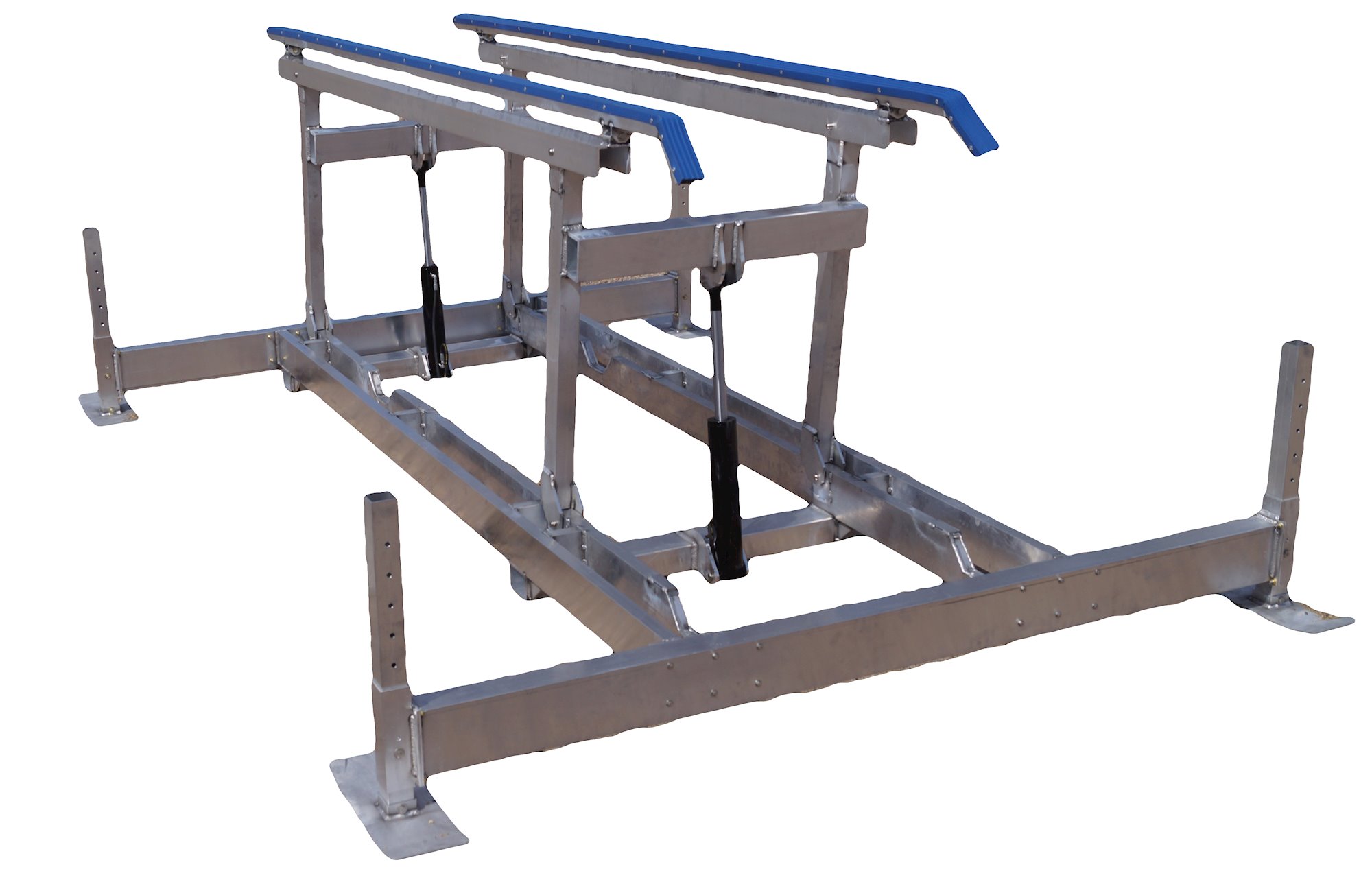
Most boat lifts require some sort of effort to work properly, whether it comes from a power source or from manual operation. Manual lifts are operated by a person rotating a spinner wheel to raise and lower the boat, and they tend to be cheaper to obtain but a lot more work on the part of the owner. Electric winches are a lot more convenient. A lot of them offer push-button boat lift motor operation so you can lower your boat before you ever get to the water. However, they need access to an electric power source to operate, which might not be possible on some waterfronts. They’re also a little more costly to maintain because of the need for a safe electricity connection.
Boat Lift Weight Capacity
The size of your boat will naturally determine the size of the lift you need. Your dry boat weight, which will be in the specification sheet for your watercraft, is part of what you’ll need to look at when determining your needed boat lift capacity. The make, model, and year of your boat lift model will also be necessary for determining weight capacity. However, you’ll also need to think about the weight of everything that you’ll be lifting along with your boat, including all of your onboard gear, fuel, props, batteries, and covers. When in doubt, size up—it’s better to have too much capacity than not enough.
Length and Width of Your Watercraft
Your boat’s length and width will also be on your boat specification sheet, or it can be measured. The size of your boat lift will also be dependent on these dimensions. The beam and weight of the boat lift you buy should match your boat. It’s also worth considering future purchasing plans, whether for your boat lift or your dock in general, because lifts can be adapted to varying lengths and widths if necessary. ShoreMaster boat lifts can even be adjusted to fit a V-haul or pontoon boat with the addition of cradles or bunks.
ShoreMaster Premium Boat Lifts
All of those are the basics for boat lift shopping, but there might be other criteria that you’re looking for. Materials matter for durability, longevity, and maintenance, especially in brackish saltwater conditions. If you’re planning on upgrading your boat, you might want to size up your lift when you buy it now to accommodate the change. And consider any other equipment and supplies you might need, like bunks or guides.
ShoreMaster is a leader in the waterfront industry, the pioneer of aluminum boat docks and lifts, and the maker of Infinity Boat Lift Systems. We’re experts with years of experience in waterfront life, boat dock equipment, and helping customers perfect their shoreline. For product information, installation help, or other questions about the ideal setup for your shore, contact a local ShoreMaster dealer.
Key Takeaways
• Choosing the right lift starts with your boat’s weight and hull style, then you match the lift type to your shoreline and water conditions.
• A good buying decision balances safety, reliability, and ease of ownership, not just price or capacity.
• Planning ahead helps you avoid undersizing, poor fit, and frustrating adjustments after installation.
FAQs
Q: What’s the first thing I should know before shopping for a boat lift?
A: Know your boat’s loaded weight and your hull type, because that determines the right capacity and support style. Once you have that, you can choose a lift designed for your water depth and exposure.
Q: How do I avoid buying a lift that’s too small?
A: Don’t rely on dry weight alone, because fuel, gear, and accessories add up. Choosing a lift with a comfortable capacity buffer helps performance and reduces strain over time.
Q: Why do water conditions matter when picking a lift type?
A: Depth, bottom composition, wave action, and fluctuating levels affect how the lift sits and operates. The right lift for your conditions feels smoother and usually requires fewer adjustments throughout the season.
Q: Is professional installation worth it for a boat lift?
A: It can be, especially if your shoreline is tricky or you want confidence that everything is level and secure. Correct installation is one of the biggest factors in long-term satisfaction and safety.


