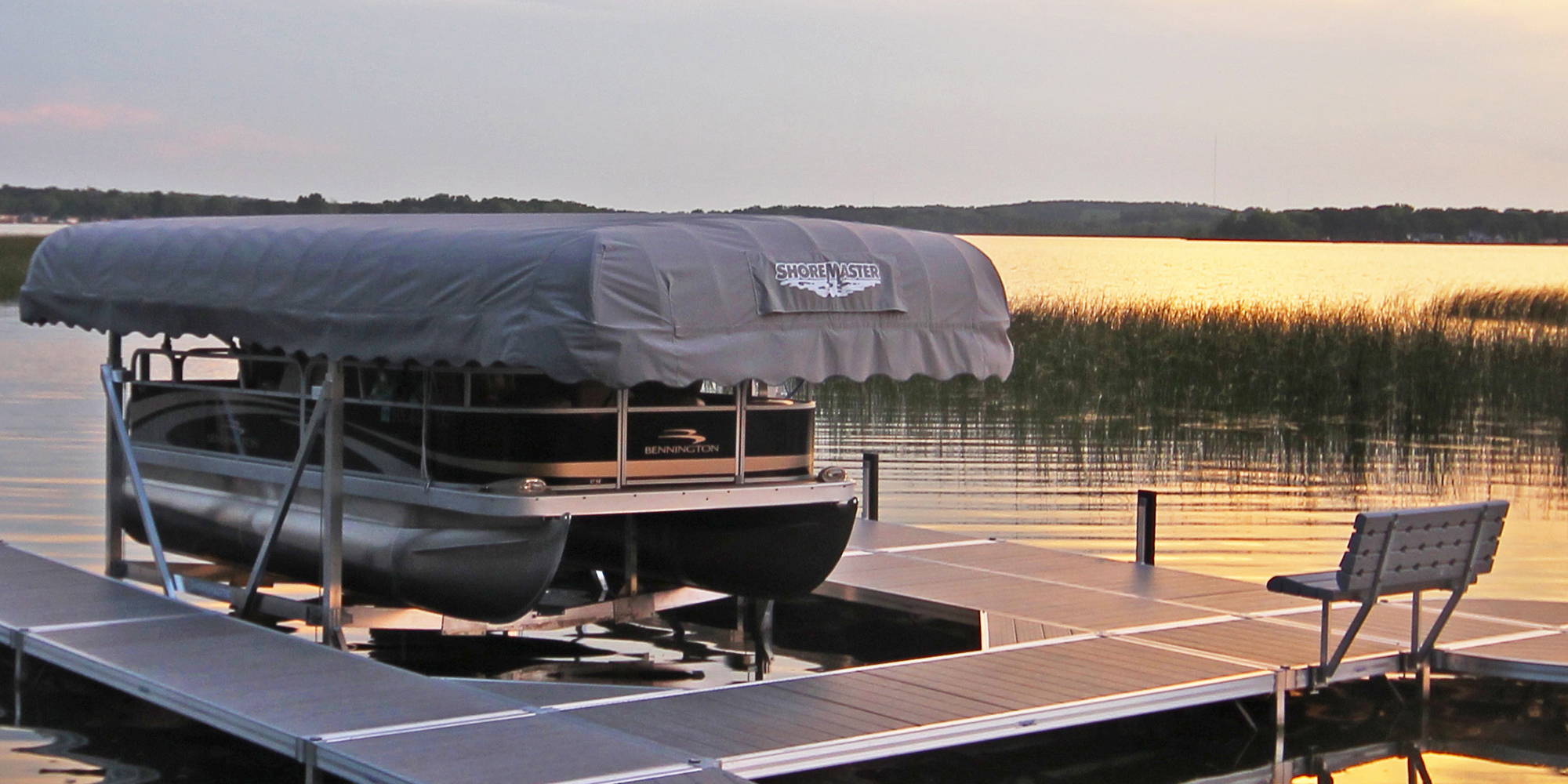
While every component of a dock system serves a fundamental purpose – providing support, stability, and safety – its decking is the stage upon which all waterfront memories are made. It’s what you feel beneath your feet, the platform where you bask in the sun, and, ultimately, what sets the tone for your dock experience. However, with abundant options available, choosing a decking material that aligns with your personal style, preferences, and environmental requirements can be tricky.
Below, we walk you through the top dock decking options to help you choose a durable, high-quality solution that transforms your boat dock into a truly inviting and enjoyable waterfront haven.
Factors to Consider When Choosing Dock Decking
Durability is a pivotal consideration when choosing a decking material. While some may prefer the natural look of wood or the modern aesthetic of composite flow-through decking, everyone wants a dock that will last. Most owners also look for materials that require as little maintenance as possible. With that said, here are other essential considerations:
Foot Traffic and Usage
How do you intend to use your boat dock? Will it be primarily for boat access and mooring? Is it an extension of your lakeside home? Do you plan on hosting gatherings on the platform? Your intended usage and the amount of foot traffic it entails are crucial factors to consider when selecting the optimal decking material.
Climate and Weather Conditions
Your local climate and prevailing weather conditions will impact the deck’s longevity and performance. For example, coastal areas with saltwater exposure demand corrosion-resistant materials like aluminum or treated composites, while regions with extreme temperature fluctuations require decking that won't crack or warp.
Slip Resistance
Choosing a slip-resistant decking material ensures a safer environment for everyone using the dock, regardless of weather conditions or activities. Materials with textured surfaces or inherent grip minimize the risk of falls, which is particularly important for families with children or elderly individuals.
Heat Resistance
In areas like Florida or Texas, where docks are exposed to intense sunlight, the deck can become unbearably hot. Decking options like composite materials with heat-reflective properties or lighter-colored wood are ideal solutions to ensure the dock remains a pleasant and safe area for all users, even during the hottest days.
Popular Dock Decking Materials
Like most things, opinions on dock decking can be highly subjective. While some people will swear by the durability of concrete, others have come to love the low maintenance requirements of modern composites (The Hull Truth, 2020).
Here’s an overview of popular options to help you choose the best decking material for your unique requirements:
Wood:
A traditional choice for dock decking, wood offers a traditional aesthetic that blends seamlessly with any waterfront environment. However, different wood types entail varying levels of durability and maintenance requirements.
Cedar: Naturally resistant to rot and insects.
Cedar's natural oils repel insects and decay, making it a popular choice for various applications (Timber Blogger, 2021). This softwood boasts a beautiful reddish hue that ages gracefully. However, it can be more expensive than other wood types and may require periodic sealing to maintain its appearance.
Redwood: Durable and aesthetically pleasing.
Redwood is renowned for its strength and stunning reddish-brown color. Its natural chemicals enable it to resist rotting and warping, but it requires regular sealing and staining to preserve its natural beauty and extend its lifespan.
Pressure-Treated Lumber: Affordable and widely available.
Chemically treated to combat rot and insect infestation, pressure-treated lumber offers an accessible and budget-friendly decking solution. However, it can be prone to warping and splintering over time, necessitating regular sealing to extend its lifespan.
Composite:
Composite decking materials, like Trex and Azek, are made from a blend of recycled wood fibers and plastic or PVC (polyvinyl chloride). These materials boast exceptional durability and resistance to rotting, mold, and insect damage, providing low-maintenance decking solutions.
Trex: Low-maintenance and long-lasting.
Trex is a leading brand known for its durability and resistance to fading, staining, and scratching. It generally requires minimal upkeep and comes in various colors and textures. However, it can be more expensive upfront and becomes incredibly hot under direct sunlight.
Azek: Durable and resistant to moisture and insects.
Azek decking is a high-performance, synthetic decking material made from 100% cellular PVC. Azek decking mimics the look and feel of natural wood without the need for regular staining or sealing. However, these benefits come at a premium, with Azek typically having a much higher price tag than other composite options.
Aluminum:
Aluminum dock decking options boast excellent resistance to rust, corrosion, and weathering. They can withstand harsh marine environments and extreme weather conditions without deteriorating. They’re also lightweight, making them ideal for modular floating docks.
Durability: Resistant to rot, corrosion, and insects.
With its corrosion-resistant properties and ability to withstand extreme temperatures, aluminum is a perfect choice for challenging marine environments.
Low Maintenance: Easy to clean and requires minimal upkeep.
Unlike wood or plastic, aluminum decking won’t rot, warp, decay, or crack. Occasional cleaning with soap and water is typically sufficient to keep aluminum decking looking its best.
Aesthetics: Available in various colors and finishes.
Premium aluminum decking comes in various colors and finishes, allowing you to customize your dock's appearance. It can mimic wood's timeless aesthetic or offer a sleek, contemporary design.
PVC:
For those who prioritize low-maintenance solutions, polyvinyl chloride (PVC) decking offers another viable option.
Durability: Resistant to moisture, mold, and mildew.
PVC provides excellent resistance to moisture, mold, and mildew. Its non-porous surface prevents water infiltration, reducing the risk of rot and decay. Additionally, PVC decking is engineered to withstand harsh weather conditions, UV exposure, and heavy foot traffic, making it an ideal dock decking material.
Low Maintenance: Easy to clean and requires minimal upkeep.
Like aluminum and composite decking, PVC only requires periodic cleaning to keep it in optimal condition.
Comfort: Softer and more comfortable underfoot than other materials.
PVC decking generally feels softer and more comfortable underfoot than wood or composite, making it a pleasant surface to walk barefoot on.
Other Materials:
Concrete decking offers exceptional durability and longevity, capable of withstanding extreme weather and heavy use, making it ideal for permanent, high-traffic docks. Meanwhile, those seeking a premium, natural material with exceptional durability and luxurious aesthetic may want to consider IPE – a dense tropical hardwood renowned for its resistance to rot, insects, and decay
ShoreMaster's Decking Options
At ShoreMaster, we believe dock systems should look just as good as they perform. That’s why we offer nine decking options, allowing you to create a dock that reflects your personal style or blends seamlessly with the environment.
InfinityTrack System: Allows for easy installation and customization.
ShoreMaster’s InfinityTrack dock accessory system offers the easiest, most complete way to customize your dock to your unique waterfront lifestyle. This revolutionary innovation in dock design utilizes tracks integrated into the side of ShoreMaster dock frames, allowing owners to add a wide range of dock accessories seamlessly using a simple T-handle.
Wide Variety of Options: Offers a range of materials, colors, and finishes to match any style.
Whether you fancy flow-through polypropylene, wood-grain aluminum, or the unique flagstone pattern of Vertex™, our diverse range of premium decking options ensures your dock is not only highly functional but also aesthetically pleasing.
Low Maintenance: Designed for durability and easy upkeep.
ShoreMaster’s premium docking solutions boast industry-leading strength and stability, unlimited configurability, and high-end aesthetics bundled around ease of ownership for the ultimate dock experience.
Installation and Maintenance
ShoreMaster Infinity Waterfront Dock Systems are as easy to install as they are to maintain. Our decking
panels utilize clips you twist and lock in, making them ideal for seasonal docks and areas that experience extreme weather events. Then, giving them the occasional rinse to remove dirt, debris, and marine growth is enough to keep them in optimal condition season after season.
Conclusion: Creating the Perfect Waterfront Oasis with the Right Decking Material
For over 50 years, ShoreMaster has been pioneering technologies and designs that set the standard for quality and functionality. Contact us today to discuss your requirements and take the first step to bringing your waterfront haven to life.
FAQs
-
Can I install dock decking myself, or do I need professional help?
If you already have a ShoreMaster dock installed, our dock decking can easily be installed and removed by simply turning the clip on individual panels.
-
What type of decking is best for withstanding harsh weather conditions?
ShoreMaster offers several decking options that are excellent for withstanding harsh weather conditions. Aluminum decking is highly durable and resistant to rust, corrosion, and weathering, making it ideal for extreme environments. Additionally, ShoreMaster's Vertex™ and Glacier™ flow-through decking are designed to handle heavy use and weather conditions, with minimal maintenance required. These materials ensure long-lasting performance and durability, even in the toughest climates.
-
How do I choose decking that is safe and slip-resistant?
When choosing safe and slip-resistant decking, consider ShoreMaster's Vertex™ decking, which is specifically designed with a slip-resistant surface to ensure safety, even in wet conditions. Additionally, their Glacier™ flow-through decking allows water to drain away quickly, keeping the surface dry and reducing the risk of slipping. These options prioritize safety while providing durability and low maintenance, making them excellent choices for your dock.
References:
- The Hull Truth (January 17, 2020). Best decking material for a new dock? Retrieved from https://www.thehulltruth.com/boating-forum/1057850-best-decking-material-new-dock.html
- Timber Blogger (March 8, 2021). Cedar Wood Properties | Cedar Uses, advantages, and disadvantages. Retrieved from https://www.timberblogger.com/cedar-wood/?form=MG0AV3&form=MG0AV3


