Companies alone, do not have passion. The people who work at companies do. Mark Cory is a classic example of what drives ShoreMaster to greatness. Mark’s passion for anything water related is an underlying theme that guides him as he helps ShoreMaster build the best docks and boat lifts available to waterfront property owners, and helps ShoreMaster’s nationwide dealer network realize the full business potential that ShoreMaster offers.
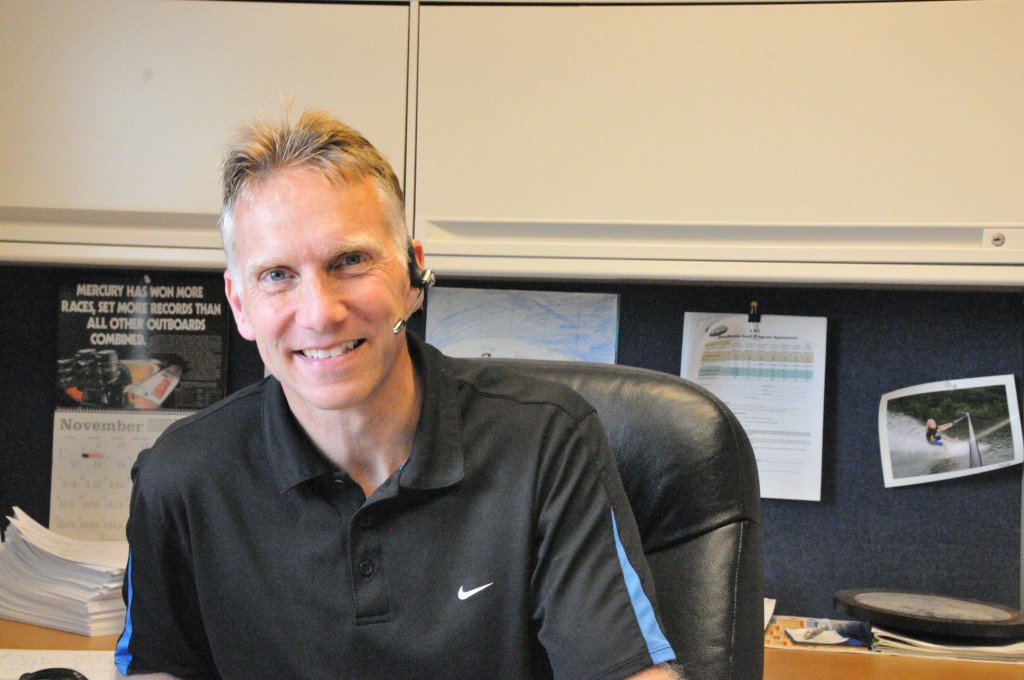 Aside from raising his family, taking his daughters to early morning skating practice, barefoot waterskiing, snowmobiling, helping hundreds of ShoreMaster dealers grow their business, and helping thousand of ShoreMaster dock and lift owners by answering their waterfront equipment questions and connecting them with their local ShoreMaster dealer, Mark is also passionate about recreational boating. He has a special affinity for Mastercraft Boats, and restoring 1970’s Glastron boats. The video below, was created by Mark to show his restoration of a 1978 Glastron GT-150. The video is found on Mark Cory’s Youtube Channel and while it shows images of the restoration of a 1978 Glastron, we like to think it also shows a small example of the passion that makes ShoreMaster such a great company.
Mark is one example, out of many, of the passionate people who live, work, and play the ShoreMaster Way. When it comes to offering the best business opportunity in the waterfront equipment industry, it helps to have people that are passionate about the industry on your team.
1978 Glastron GT-150 Restoration by Mark Cory:
Key Takeaways
Restoring a classic boat like the 1978 Glastron GT-150 brings old memories and modern use together, preserving heritage while making it ready for new seasons on the water.
The restoration highlights careful attention to structural integrity, paint, upholstery, and mechanical systems so the boat not only looks great but performs reliably.
Restoring a beloved boat can be deeply rewarding, and the process also teaches maintenance lessons and appreciation for craftsmanship that apply to all waterfront gear.
FAQs
Q: Why do people restore classic boats instead of selling them?
A: Many owners feel a personal connection, and restoration lets them preserve history while making the boat usable again. It can also feel more fulfilling than buying something new because you invest time, care, and pride into bringing a classic back to life.
Q: What are the biggest parts of a restoration project like this?
A: It usually includes structural inspection, paint work, upholstery replacement, and mechanical tune-ups or repairs. Each phase makes sure the boat is both safe and enjoyable on the water rather than just looking good on the surface.
Q: Does restoring an older boat cost more than maintaining a new one?
A: It can, because you are often replacing outdated components and addressing issues that developed over decades of use. However, the value comes from preserving character and creating a boat that’s reliable and beautiful in the present, not just functional.
Q: What’s a smart first step for someone thinking about restoring a classic boat?
A: Start with a thorough inspection and honest evaluation of what needs structural fixing versus cosmetic updates. That early clarity helps you estimate time and cost more realistically and decide what you want the finished boat to be able to do.


