Common Winter Damage to Waterfront Systems and How to Prevent It
Key Takeaways
Winter can cause structural and mechanical damage to docks, lifts, and accessories if not properly prepared.
Ice expansion, fluctuating water levels, and strong winds are the main culprits behind dock and lift damage.
Preventative maintenance—like removing or adjusting docks, securing lifts, and using de-icers—can save thousands in repairs.
ShoreMaster’s modular dock designs and accessories make winter prep faster, safer, and more effective.
Knowing your local freeze/thaw cycle is key to planning the right winterization schedule.
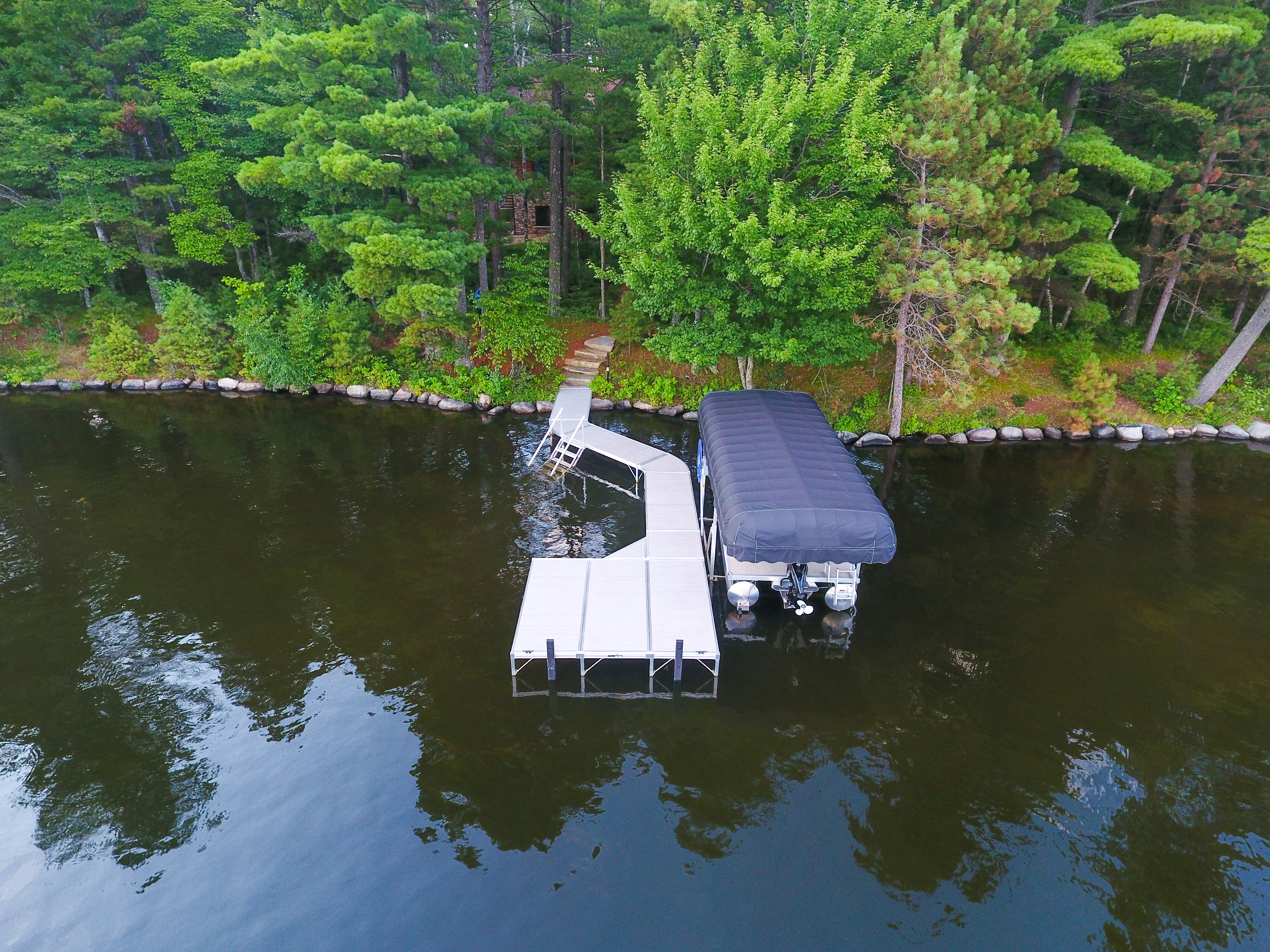
Understanding How Winter Affects Waterfront Systems
Winter introduces a complex interplay of environmental stressors that challenge even the most resilient waterfront systems. As temperatures drop and ice begins to form, marine structures and equipment must contend with expanding ice sheets, fluctuating water levels, and intensified wave action—all of which exert unpredictable forces on docks, lifts, and electrical components.
These seasonal dynamics don’t just test surface durability; they probe the integrity of materials, joints, and anchoring systems at a microscopic level. Beyond visible wear, cold-induced metal fatigue and moisture-driven corrosion quietly erode performance over time.
Let’s take a closer look at the dynamics at play so you can prepare your waterfront assets accordingly.
Ice Pressure and Expansion
As temperatures plunge and water freezes, it exerts lateral and vertical pressure on dock frames, lift systems, and floatation devices. This expansion can lead to distortion, cracking, or complete structural failure. Unlike surface wear, ice pressure infiltrates the geometry of a system, wedging into joints, encasing pilings, and locking around floats.
The damage isn’t always immediate either. Repeated freeze-thaw cycles amplify stress, gradually weakening materials and loosening connections. Ice jacking—a phenomenon where expanding ice lifts and shifts dock components—can misalign anchoring systems and compromise load distribution.
Fluctuating Water Levels and Wave Action
Sudden drops in temperature, shifting wind patterns, and upstream runoff can cause water levels to rise and fall unpredictably, placing dynamic stress on dock pilings, anchoring systems, and lift mechanisms. Even in warmer climates, seasonal storms, tidal surges, and shifting water levels can destabilize docks, fatigue structural components, and accelerate wear.
Metal Fatigue and Material Breakdown
As temperatures fluctuate, aluminum and steel expand and contract at the molecular level, creating cyclic stress that gradually weakens structural integrity. Over time, this thermal fatigue can loosen joints, stress welds, and reduce the load-bearing capacity of lifts, brackets, and dock frames, especially in systems exposed to daily sun-ice cycles or considerable temperature swings.
In saltwater environments, corrosion also intensifies due to the presence of chloride ions. While aluminum is naturally corrosion-resistant thanks to its oxide film, chloride ions in saltwater can penetrate this layer, leading to pitting corrosion and structural weakening (Ambrose, n.d.). Over time, these forces compromise the performance and safety of waterfront systems.
The Most Common Types of Winter Damage
While winter’s impact often begins at the molecular level—with expanding ice, shifting water, and contracting metals—it ultimately reveals itself in tangible, often costly ways.
Dock Frame Distortion and Decking Cracks
It begins when a strong collar of ice freezes and adheres securely to pilings or anchors. When the water level rises (due to tides, wind, or thaws), the entire ice sheet acts like a buoyant lever, lifting the attached structure upward with immense force. As the water level drops, silt, sand, or ice washes into the space beneath the piling, preventing it from returning to its original depth, and repeated cycles progressively jack the piling higher, compromising the entire dock system’s stability.
Meanwhile, water from snowmelt, rain, or spray can seep into the pores, joints, and natural cracks of decking panels. When this trapped water freezes, it expands and acts like a wedge, exerting immense internal pressure that can splinter decking materials and widen existing cracks. This repeated cycle gradually splits the boards, loosens connections, and compromises the structural integrity of the walking surface.
Lift Cable and Winch Failures
Cable-drawn lifts are particularly vulnerable to cold-weather stress. Moisture trapped inside cable housings can freeze and expand, stressing the metal strands and protective coatings while also promoting oxidation and rust formation (Southwest Wire Rope, n.d.). Meanwhile, lubricants in winches congeal in the cold, turning into thick sludge that can increase friction, seize gears, and overload the motor. These factors make boat lift winter storage a crucial consideration.
Float Damage and Punctures
As ice forms and expands, it exerts lateral and vertical pressure that can warp, puncture, or crush flotation systems. While foam-filled floats offer greater resistance to water infiltration and structural collapse, prolonged ice contact can still compromise their integrity. Meanwhile, air-filled floats are more vulnerable to rupture or deformation, especially if trapped in thick ice or repeated freeze-thaw cycles.
Electrical and Lighting System Failures
Rain, snowmelt, and condensation can seep into conduit boxes, power pedestals, and junction points, especially if seals are degraded or enclosures aren’t rated for marine environments. When temperatures drop, trapped moisture can freeze and expand, cracking insulation, loosening terminals, or shorting out circuits. Even low-voltage lighting systems are vulnerable. Corroded contacts and brittle wiring can lead to flickering, failure, or complete outages.
Cold temperatures also cause materials in electrical and lighting systems to contract, including the plastic or rubber insulation around wires. This can make insulation brittle, especially in older or lower-quality systems.
Prevention Strategies for Each Type of Damage
Whether you’re navigating freeze-prone winters or tropical storm seasons, caring for docks during winter months with proactive maintenance is the most effective way to stay ahead of seasonal shifts and ensure your waterfront systems perform reliably year-round.
Pre-Winter Inspection Checklist
Structural Pilings and Dock/Boat Lift Frames
Inspect Pilings: Check if any pilings are leaning or appear higher than others, and note their current state for spring comparison. Check the waterline area for signs of rot, insect damage, or cracks where water can seep in, freeze, and expand.
Check All Hardware: Tighten any loose bolts, nuts, and screws on the dock frame and substructure.
Decking and Surfaces
Clean and Inspect Decking: Remove all leaves, pine needles, and other debris from the dock surface, as these can trap moisture and accelerate rot, especially for wooden docks. While you’re at it, look for and replace any boards or decking panels that are already split, rotting, or severely cracked.
Check Fasteners: For wooden docks, hammer down or replace any nails or screws that have popped up, as these will create an entry point for water. After cleaning, apply a water-repellent sealant to the decking.
Floating Systems
Consider Removing Floating Docks: For floating docks and boat lifts, removal is the only guaranteed way to prevent winter damage, especially in areas with freezing water. We also recommend removing floating systems in areas that experience severe winter storms, high waves, or heavy floating debris.
Inspect Flotation and Anchoring Systems: If removing your floating boat dock for winter is not an option, inspect all floats for existing cracks, punctures, or other damage. Check that anchor chains or cables are secure and not excessively worn. Slightly loosen the chains to allow for water level changes, which prevents the ice from pulling the anchors, snapping the lines, or damaging the dock's connection points.
Leaving Your Boat Lift in Winter
Lubricate Moving Parts: Apply a marine-grade, low-temperature grease to winch gears and pulleys. Use a penetrating (not heavy) oil for the cables to repel water without trapping it.
Raise Lift to Highest Position: If you’re leaving the lift in the water, keep it in the highest position, well clear of potential ice formations.
Remove the battery and motor: To protect against moisture intrusion and freezing, store them somewhere dry and warm. Connect the battery to a trickle charger to prevent discharge and sulfation during offseason storage.
Disconnect Power: Shut off the breaker and disconnect all power to the lift to prevent electrical damage from moisture or shorts.
Using the Notes app on your phone is a smart, accessible, and low-friction solution, especially for individual dock or waterfront property owners. It’s always within reach, easy to update on the spot, and syncs across devices for backup. For property managers and marina operators, we recommend using spreadsheets or project management apps with features like task assignment, reminders, and shared access. These solutions are ideal if you’re managing multiple systems or coordinating with vendors.
Proper Dock and Lift Removal or Adjustment
Here are some best practices when removing docks for offseason storage:
Plan and Get Help: Dock and boat lift removal is at least a two-person job. Work on a calm, clear day and have all the necessary tools and equipment ready, including waders and safety gloves.
Remove Decking Panels: Removing the decking panels before uninstalling the dock makes the frame sections much lighter and easier to manage.
Label Dock Sections: As you disconnect the dock sections, label them (e.g., "Section 1 - Shore," "Section 2," etc.) using a tape and a sharpie. This will make spring reinstallation vastly easier.
Lift, Don't Drag: Pulling the dock sections across rocks or rough ground can cause punctures or gouges. Lift and carry sections to your storage spot.
Proper Storage: Avoid storing sections directly on the ground. Place them on blocks or pallets to keep them from freezing to the ground.
Loosen Anchor Chains: It’s important to give the dock slack to allow it to rise and fall with fluctuating water levels.
Using De-Icers and Bubblers
De-icers and bubblers can create thin ice or open water near docks. While this prevents freezing damage to waterfront systems, it poses risks to ice skaters, snowmobilers, pets, and wildlife. They also stir up sediment and promote algae and weed growth, effectively disrupting aquatic ecosystems (Balint, 2021). As such, certain states and lake authorities restrict the use of agitator-style de-icers, with some requiring permits or registration for installing de-icing systems.
Bubbler systems, which release air through submerged hoses, are often preferred for their lower environmental impact. Always check with your local lake authority or municipality before installation.
Accessory and Hardware Storage Tips
Remove All Dock Accessories: Storing dock accessories in a dry, protected space keeps them in better condition and makes it easier to inspect, clean, and reinstall them. Removing ladders, benches, and dock boxes also prevents them from trapping heavy snow and ice, which adds concentrated weight to the dock structure.
Store Canopies Indoors: Remove fabric canopies, clean, and store them in a shed or garage to prevent mold, mildew, and nesting rodents. Storing canopies also protects their frames from bending or breaking under heavy snow loads.
ShoreMaster Solutions for Winter Protection
At ShoreMaster, we pride ourselves on producing solutions that make waterfront living easier. In addition to the modular design of the Infinity Dock System, we also offer accessories that facilitate seasonal boat dock installation and removal, so you can focus on enjoying what you love about the water.
Modular Dock Systems Built for Easy Removal
ShoreMaster’s modular systems are engineered for seasonal flexibility, making removal and reinstallation as easy as possible. With intuitive, quick-connect brackets and lightweight aluminum frames, owners can detach and store entire dock systems with minimal labor and no complex tools. This makes our waterfront systems ideal for seasonal users and regions with harsh winters.
Winter Accessories and Tools
Our Shore-End Wheel Kit lets you easily roll ShoreMaster standing docks in and out of the water. With rugged poly tires, axle adapters, and short leg pockets, it transforms seasonal installation and removal into a two-person task, even on uneven terrain. For added convenience, the ShoreMaster Tow Hitch pairs perfectly with the Infinity RS7 and TS9 dock systems, allowing you to connect your dock to an ATV or utility vehicle for effortless repositioning across firm-bottom lakes with gentle shoreline slopes.
For docks that stay in the water year-round, ShoreMaster’s Adjustable Screw Legs allow you to easily adapt your dock system to fluctuating water levels, uneven lake beds, and different seasonal conditions without getting in the water. Each leg is equipped with a threaded screw section that you can rotate to extend or retract the leg. By turning the screw, dock owners can adjust the height of each leg individually, ensuring the dock surface remains level and stable, even when the underwater terrain is not.
FAQs
How often should I inspect my dock in winter?
At a minimum, inspect your dock at the start and end of the winter season. However, we recommend checking your system following major storms, freeze-thaw events, or sudden water-level changes. Look for signs of ice buildup, structural shifting, or stress on cables and fasteners.
What’s the cost of not winterizing?
Skipping winterization can lead to thousands of dollars in preventable repairs. Ice jacking can misalign pilings, crack decking, or shear fasteners, while snow load and freeze-thaw cycles can warp frames and damage floats. Electrical systems may short out from moisture intrusion, and lift cables can seize or snap under frozen tension.
Beyond repair costs, winter damage can delay your spring launch and shorten the lifespan of your entire waterfront system.
References:
Leroy Ambrose, Walker Metal Smith (n.d.). Will Aluminum Corrode in Saltwater? Exploring Its Durability and Resistance
Southwest Wire Rope (n.d.). Causes of Wire Rope Corrosion (And How to Prevent Them)
Paul Balint, Indian Lake Borough Council (February 5, 2021). DE-ICERS AND “BUBBLERS: CONSIDERING IMPACTS & BEST PRACTICES


